


One of the Environmental Integrity Project’s top priorities is to hold corporate polluters accountable when they break the law to ensure our environmental laws work for those who most need their protection.
Our attorneys work with our research and engineering teams to provide pro-bono legal representation to local organizations fighting back against illegal pollution and holding government agencies accountable for protecting public health. We take companies to court if they don’t comply with bedrock environmental laws, like the Clean Air Act and Clean Water Act. And we sue the U.S. Environmental Protection Agency (EPA) and state environmental agencies if they don’t follow the law and do their jobs to protect the public.
Our work is even more crucial as the Trump Administration signals it is not serious about environmental enforcement – especially in communities who suffer the most from industrial pollution — and slashes EPA’s workforce and budget. Many state environmental agencies will lack the resources or political will—or both—to fill in the enforcement gap left behind; it has never been more important for EIP to provide the legal and technical resources that local organizations need to fight polluting companies and protect the health and wellbeing of their communities.
EIP is not afraid to take on powerful industries who violate clean air and clean water laws, including refineries, chemical and gas processing plants, coal plants, paper mills, and large wastewater utilities.
Active Enforcement Cases

Illegal Data Center and Power Plant Projects in San Antonio
EIP and two other environmental groups filed a notice of intent to sue against the developers of a pair of data center campuses, with two gas-fired power plants and 151 backup diesel generators, for building the massive projects without the pollution control permits or public hearings required by law.
The developers are building 423 megawatts of dedicated generation capacity – enough to power about a fifth of San Antonio’s homes – for a pair of huge data centers using permits meant only for minor sources of air pollution. Due to the size of the projects and their potential pollution, the companies should have obtained “major source” pollution control permits as required by the federal Clean Air Act before starting construction. Major source permits require the best available pollution control technology, pollution monitoring, and public hearings.

Pennsylvania Shell Plastics Plant Air and Water Pollution
EIP is pursuing legal action against the Shell Monaca chemical plant in Beaver County, PA, in an effort to improve oversight and reduce water and air pollution from the $6 billion plant that opened in 2022 and transforms ethane, a product of natural gas hydrofracked in the region, into tiny plastic pellets.
In 2023, EIP and Clean Air Council filed a federal lawsuit against Shell for repeatedly violating permitted air pollution limits at the plant. The lawsuit called for strict penalties and a halt to the illegal release of smog-forming pollutants, including nitrogen oxide (NOx) and volatile organic compounds (VOCs), which also contribute to asthma attacks and lung disease.
In October 2024, EIP and our rallies in the region submitted a petition asking the Pennsylvania Department of Environmental Protection to make changes to the water discharge permit for the Shell plant to improve oversight and reduce water pollution. The requested changes include monthly testing and stricter discharge limits for dangerous chemicals including lead, arsenic, aluminum, zinc, and PFAS; more frequent stormwater inspections to help prevent harmful chemicals from migrating undetected into waterways; and a solid plan to clean up polluted groundwater already existing on the site.
Groups File Federal Lawsuit Against Shell Plastics Plant in PA for Air Pollution Violations
Groups Petition Pennsylvania to Reduce Water Pollution from Shell Chemical Plant
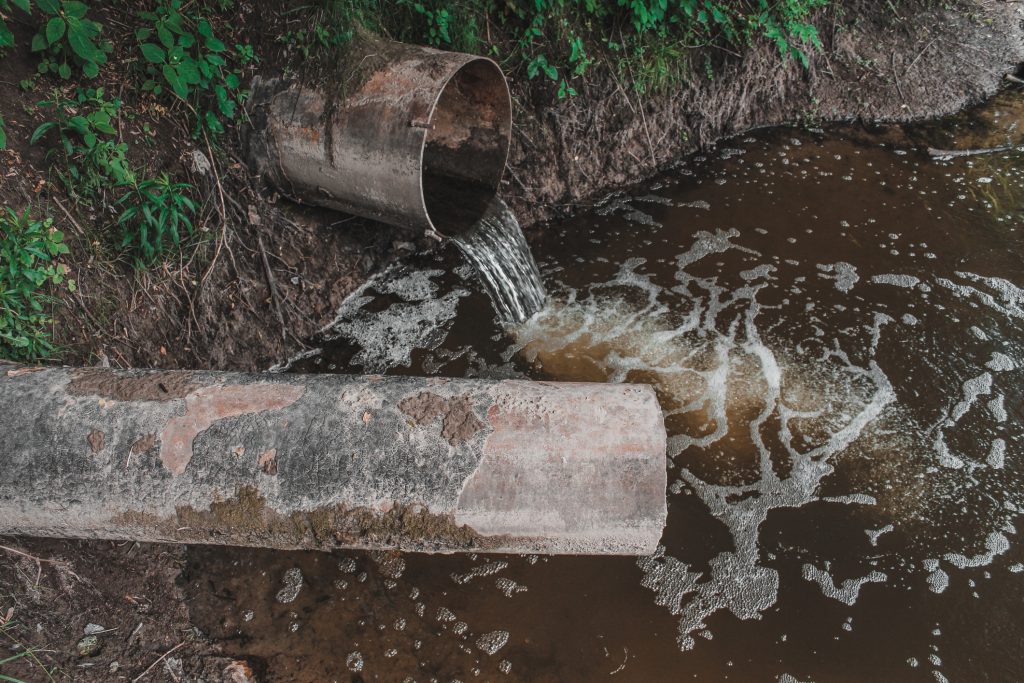
Texas Plastics Plant’s Clean Water Violations
San Antonio Bay Estuarine Waterkeeper, represented by the Environmental Integrity Project and Earthjustice, announced its intent to file a federal Clean Water Act enforcement suit against Dow Hydrocarbons, Union Carbide Corporation, and Braskem America for the ongoing discharge of microplastics (nurdles) and other unpermitted pollutants into the waterways surrounding their Seadrift, Texas, plastic manufacturing facility.
Nurdles and other microplastics do not dissolve or disappear over time; they remain present in downstream waters, impacting sealife, marine birds, and even potentially human health. The accumulation of this non-biodegradable pollution in the marine environment harms aquatic species and can contaminate fish, oysters, and shrimp with chemicals at levels unhealthy for human consumption.
Texas Waterkeeper Issues Notice of Intent to Sue for Illegal Water Pollution at Texas Plastics Plant
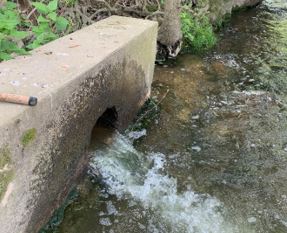
Pennsylvania Food Company’s Clean Water Violations
EIP, on behalf of the Lower Susquehanna Riverkeeper Association, filed a Notice of Intent to Sue the Hanover Foods facility in York County, PA, an hour south of Harrisburg, for significant and ongoing violations of federal and state clean water laws. The food processing plant routinely and illegally discharges pollutants into waterways and fails to comply with pollution monitoring and reporting requirements, in violation of both the federal Clean Water Act and Pennsylvania’s Clean Streams Law, as well as its clean water permits.
The facility, which makes canned, glass-packed, and frozen vegetables goods, produces up to 450,000 gallons per day of industrial wastewater that is treated at an on-site wastewater treatment plant before being sent to Penn Township’s municipal wastewater treatment plant. Any additional wastewater is further treated onsite and discharged into nearby Oil Creek.
Environmental Groups Take Legal Action Against PA Food Company for Clean Water Violations

Louisiana Petcoke Plants’ Toxic Discharges
EIP is suing two Louisiana petroleum coke processing plants for discharging toxic water pollution including lead, mercury, vanadium, and polycyclic aromatic hydrocarbons (PAHs) and for failing to tell state regulators about the contaminants in their stormwater.
EIP, Healthy Gulf, and Micah 6:8 Mission filed two separate lawsuits against the petroleum coke processing plants, which take a byproduct of oil refining and superheat it to produce a black, carbon-dense coal-like substance – “petcoke” – that is used in aluminum manufacturing and other industries.
The 13 petcoke processing plants across the U.S., seven of which are in Louisiana, were built between 1935 and 1983, lack modern air and water pollution controls, and are among the leading sources of air and water pollution in their regions.
Allies File Federal Lawsuits Against Petroleum Coke Plants in Louisiana for Toxic Water Pollution
