


In addition to taking companies who violate the law to court, EIP also produces in-depth reports about trends in environmental law enforcement to explain to decisionmakers why environmental enforcement programs are necessary to protect public health and the environment, and where federal and state agencies may be falling short.
In 2025, EIP requested and published EPA enforcement records to better understand what’s at stake when EPA fails to hold polluters accountable.
EIP’s December 2024 analysis found that neighborhoods of color and low-income communities that already suffer from the most pollution would likely be hardest hit by the Trump Administration’s drop in enforcement of pollution control laws.
Our 2023 report, “Polluter’s Playbook,” documented the systemic failure of Texas’ state environmental agency to force chronic offenders to take corrective action to avoid pollution violations in the future.
In 2019, our report, “The Thin Green Line,” found that during a decade of cuts at EPA from 2008 to 2018, 40 states also cut the staffing at their own environmental agencies. This provided evidence that simply shifting responsibility for enforcement from the federal to the state level will not work.
Our Enforcement Reports
Declining Environmental Enforcement in Trump’s Second Term
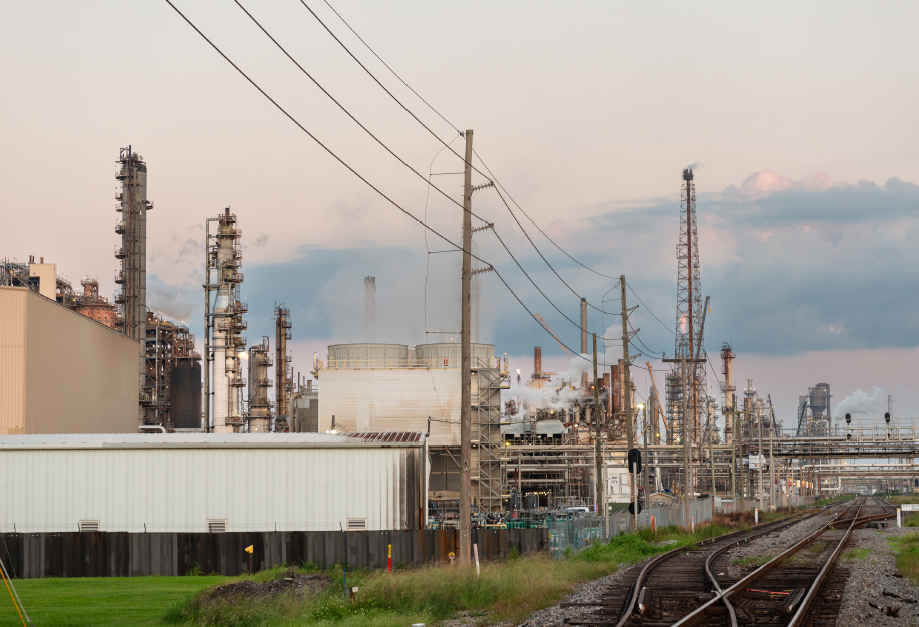
Environmental law enforcement suffered a dramatic collapse in the first year of the second Trump Administration. Civil lawsuits against polluters fell to an historic low in the year after Inauguration Day, with only 16 complaints filed by the U.S. Department of Justice in cases referred by the Environmental Protection Agency , according to a review of federal court records by the Environmental Integrity Project.
State of Decline
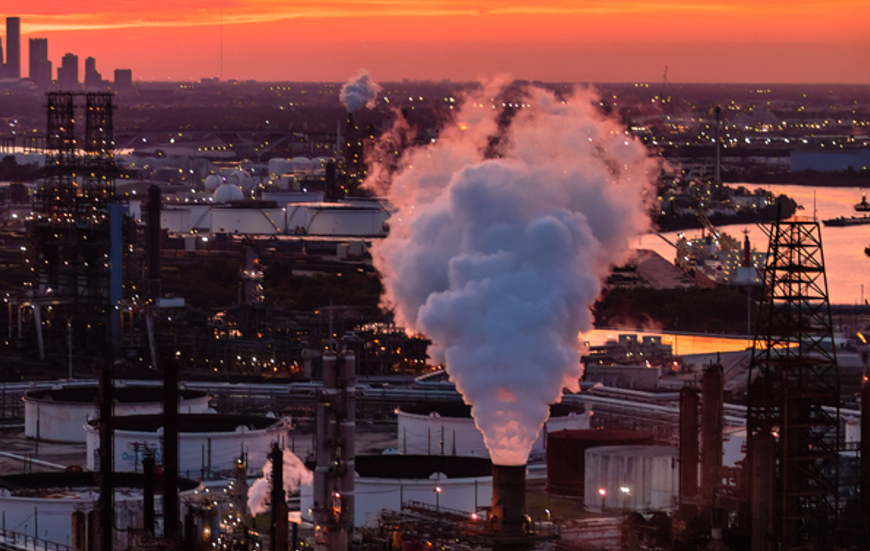
At a time when the Trump Administration is proposing draconian cuts to the U.S. Environmental Protection Agency (EPA), claiming that states can take on more responsibility for environmental oversight, more than half of states (27) cut their environmental agency budgets over the last 15 years according to EIP’s report, “State of Decline.”
Seven states – including Texas, with its rapidly growing oil and gas industry – reduced their pollution control funding by at least a third from 2010 through 2024, when adjusted for inflation. The steepest cuts were led by Mississippi’s decision to slash its environmental agency by 71 percent, South Dakota’s 61 percent cut, and Connecticut’s 51 percent reduction.
